Why is my espresso sour or bitter, and how do I fix it?
A manufacturer-scoped approach to troubleshooting sour or bitter espresso, with BES870 extraction examples and cautions for other machines.
On this page
Sourness and bitterness are clues, not a diagnosis on their own. Start with your machine’s instructions and record the coffee, grind, dose and shot behavior. The specific extraction examples below come from Breville’s BES870 manual; other machines and coffees can need different settings.
What extraction means
Espresso preparation involves hot water passing through ground coffee. Breville’s BES870 manual identifies grind, dose, tamping, bean freshness and roast as factors affecting extraction and taste. A taste description alone cannot establish which factor is responsible.
Use the manufacturer’s extraction guide as a starting point, then change one factor at a time rather than treating a single timing or flavor rule as universal.
Fixing sour shots
For the BES870, Breville associates a fast-flowing, under-extracted shot with a sour result. Its troubleshooting guidance includes checking whether the grind is too coarse, the dose too small or the tamp too light. Use the correct basket and the manufacturer’s preparation and warm-up procedure before adjusting settings.
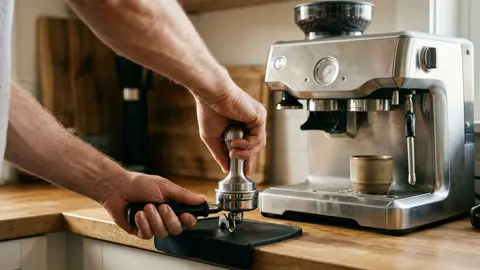
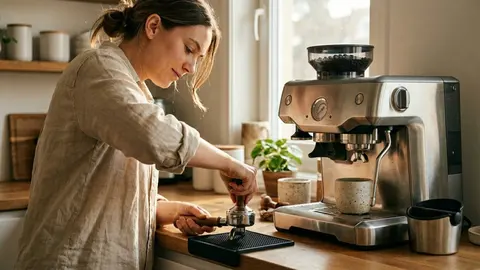
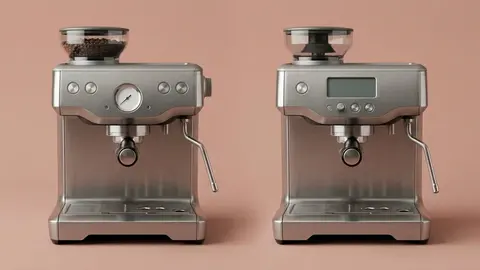
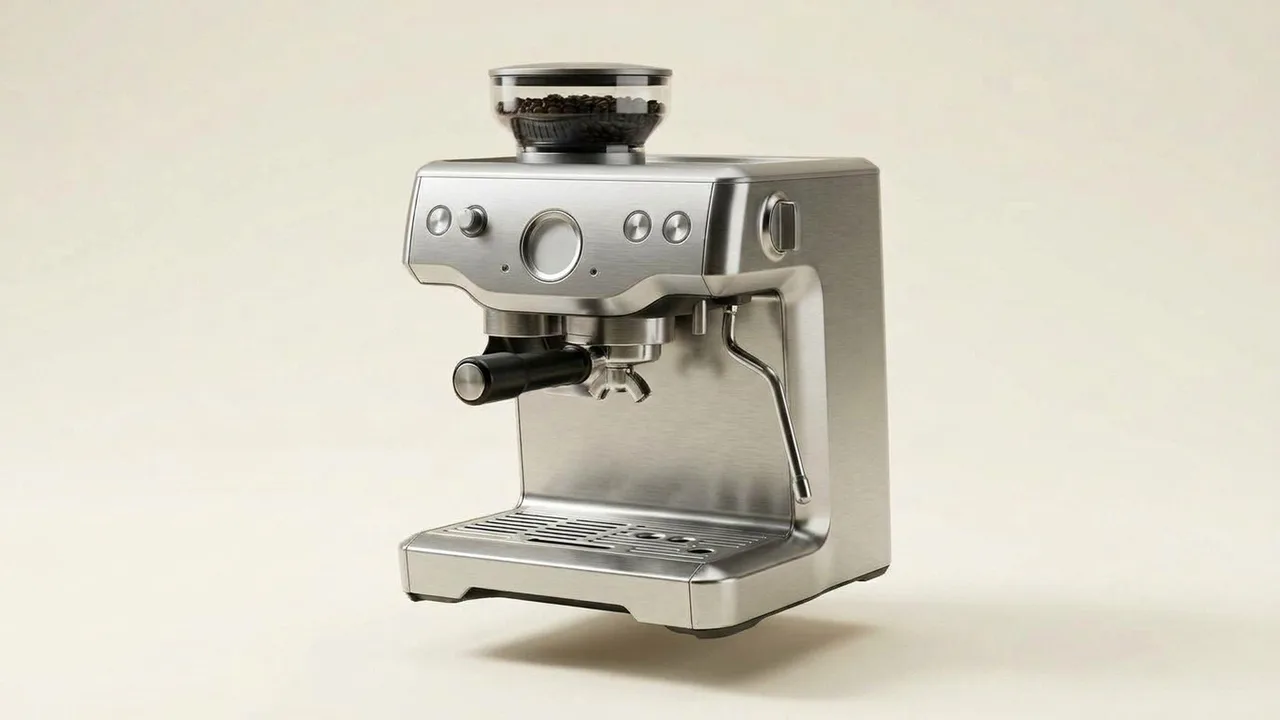
On a machine with a built-in grinder, like the Breville Barista Express, record the current setting and follow the manual when adjusting it. Several attempts may be needed. Keep the other variables stable while comparing the result.
Fixing bitter shots
For the BES870, Breville associates a very slow or restricted extraction with dark, bitter results and identifies an excessively fine grind or too much coffee as possible causes. Check the manual’s extraction guide rather than assuming every bitter drink is over-extracted. Bean choice and personal taste also matter.
What about capsule machines
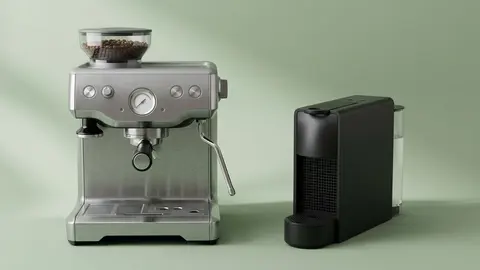
The Nespresso Essenza Mini by De'Longhi, the Breville Nespresso Original Essenza Mini, the Vertuo Plus Deluxe and the Vertuo Pop+ Deluxe are listed here as capsule-format alternatives, not as products tested for flavor in this guide. Consult the exact model’s instructions for compatible capsules, drink-volume settings, rinsing and descaling. Do not apply a ground-coffee grind or dose adjustment to a sealed capsule.
The 20 bar number
The Neretva 20 bar espresso machine is a catalog listing whose exact retailer variant and pressure specification have not been independently verified here. Do not infer pressure at the coffee or drink quality from a headline pump-pressure number. For a fault, follow the specific machine’s manual or contact its manufacturer rather than adjusting internal pressure components.
A one change at a time routine
Record your dose, grind setting, basket and extraction time. Breville’s BES870 extraction guide gives 25 to 30 seconds as its balanced-extraction example; this is model-specific guidance, not a universal target. Change one factor, compare the result and consult the relevant manual when the flow remains abnormal.
Common mistakes
Changing grind, dose and tamping together makes it difficult to identify what helped. Use a basket appropriate to your coffee: the BES870 manual specifies dual-wall baskets for pre-ground coffee, so pre-ground coffee is not automatically a misuse. Follow the cleaning and preparation instructions before judging a persistent problem.
Under-extraction in plain terms
Sour espresso is usually under-extracted: the water has not pulled enough from the coffee. Clive Coffee describes sour shots as sharp and thin and bitter shots as ashy and lingering, and KitchenAid's troubleshooting guide lists a finer grind as the primary fix for a sour shot. Change one variable at a time.
A starting recipe
Clive Coffee suggests starting around 18 grams in and 36 grams out in 25 to 30 seconds, weighed on a scale. A shot much shorter than that points to under-extraction. KitchenAid describes a typical shot as roughly 25 to 30 seconds, or slightly longer with pre-infusion.
What to change first
Grind finer in small steps, ideally half a step at a time. KitchenAid advises purging the grinder after each change so leftover grounds do not skew the next shot. Only after the grind is right should you change the dose or the yield. If your machine lets you adjust brew temperature, Clive Coffee suggests raising it by 1 or 2°F for a sour shot, while KitchenAid notes that cooler water tends to taste underdeveloped.
Check the beans
Coffee more than three or four weeks past its roast date can taste flat and sour whatever you do, according to Clive Coffee. Light roasts, older beans and decaf may also need a finer grind, per KitchenAid. Look at the roast date before you blame your technique.
Puck preparation and the grinder
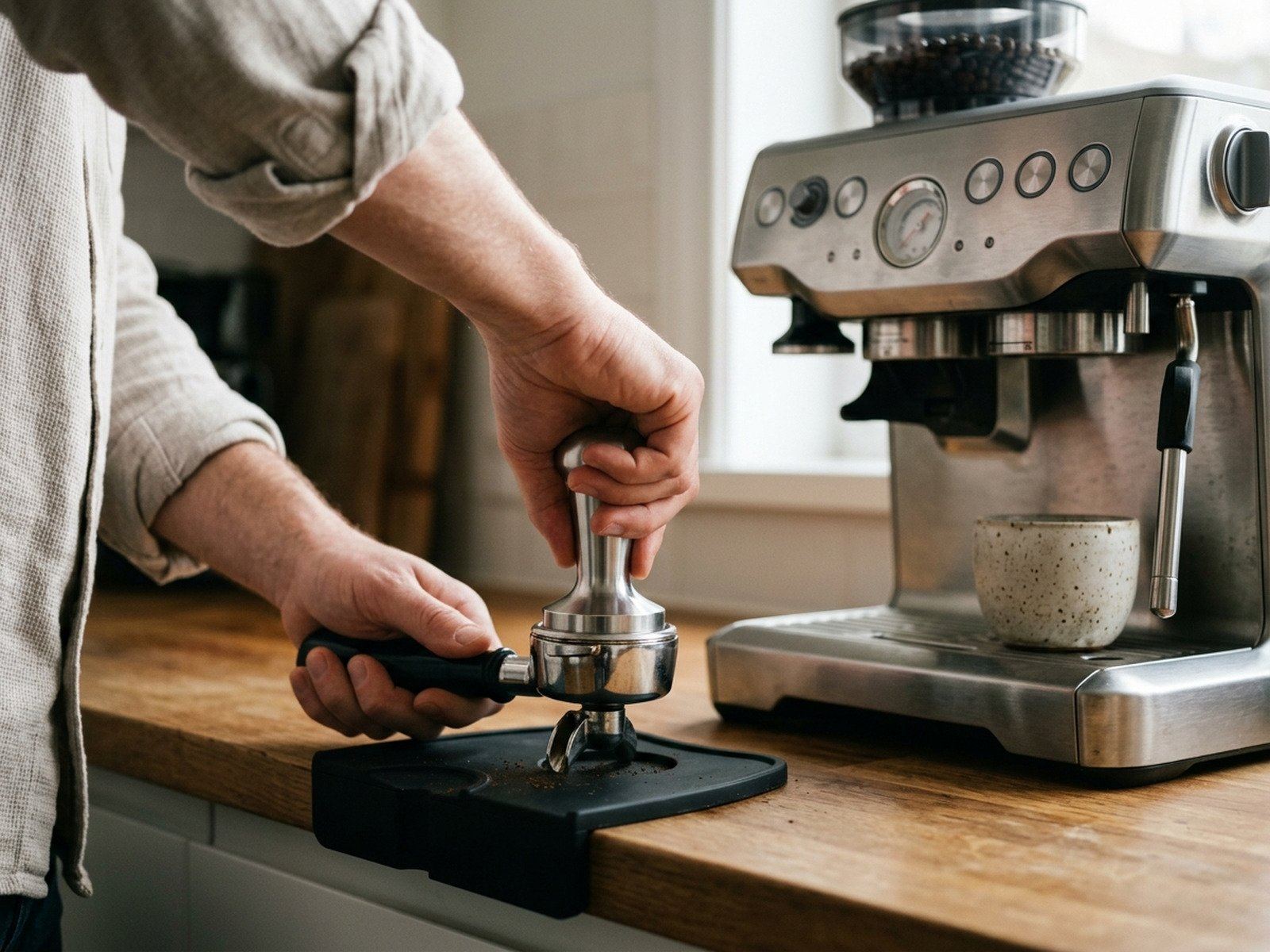
Level the grounds and tamp evenly. An uneven puck can make one shot taste both sour and bitter, because water channels through the weak spots. A grinder that produces uneven particle sizes can have the same effect.
When the machine is the problem
If the problem persists after following the manual, consult the manufacturer’s troubleshooting guidance or support service. Do not dismantle hot or pressurized components or attempt internal repairs based on taste alone. For help choosing a machine to begin with, read our comparison of the Barista Express and the Essenza Mini, or our guide to choosing an espresso machine.
Breville Barista Express
A machine with a built-in grinder, so you can adjust grind step by step.
Nespresso Essenza Mini Coffee and Espresso Machine by
A compact capsule machine with fewer variables to tune.
Breville Nespresso Original Essenza Mini Espresso Machine
A Breville branded Nespresso Original machine in a small footprint.
Nespresso Vertuo Plus Deluxe Coffee and Espresso Maker by
A Vertuo capsule-format listing; confirm the exact model and included accessories.
Nespresso Vertuo Pop+ Deluxe Coffee Machine
A Vertuo Pop+ listing; confirm the exact variant and included accessories.
Neretva Espresso Machine 20 Bar Super Compact Espresso
A ground-coffee machine listing; verify the model and specifications with the seller and manufacturer.
Skip the endless tweaking if
You do not want manual grind, dose and tamping adjustments. Compare a capsule format’s preparation and maintenance requirements rather than assuming it needs no care.
Questions people ask
Why is my espresso sour?
For the BES870, Breville lists coarse grind, low dose or light tamping among causes of fast under-extraction. Check your own machine’s instructions; sourness alone does not identify the cause.
Why is my espresso bitter?
Breville’s BES870 guide associates restricted over-extraction with bitter results. Check grind and dose against the manual, without assuming every bitter coffee has the same cause.
Can I use this routine with a capsule machine?
Do not adjust a sealed capsule’s grind or dose. Follow the exact machine’s guidance on capsules, drink settings, rinsing and descaling.
What about water and cleaning?
Follow the water, cleaning and descaling guidance for the exact model. If a problem persists, contact manufacturer support.
Sources and scope
Reference material is linked for the scope described below. This is not a claim that every statement or current retailer offer has been independently verified.
- Espresso troubleshooting (KitchenAid): manufacturer guidance
- Why is my espresso sour or bitter (Clive Coffee): retailer educational article
No hands-on testing or systematic reliability study was performed. Confirm current instructions, seller, model and box contents before ordering.