What the specs on a vlogging camera listing really mean
What the specs on a vlogging camera listing really mean: sensor size, frame rates, stabilization, audio and battery terms explained with the DJI Osmo Pocket 3.
On this page
Vlogging camera listings are written in shorthand. This source-informed explainer decodes it, using the DJI Osmo Pocket 3 as the example and DJI's specification and product pages as the source. We did not test it, and the specs are the maker's claims.
Sensor size
DJI names a 1-inch CMOS sensor on the Pocket 3. A 1-inch type sensor is bigger than typical phone sensors, which helps with low light and dynamic range. It is smaller than mirrorless sensors. For pocket cameras, it is a strong size. DJI pairs it with a 20 mm equivalent lens at f/2.0 and a focus range from 0.2 m to infinity.
Resolution and frame rates
4K/120fps means 4K video at up to 120 frames per second. High frame rates are slowed in editing for smooth slow motion. Most videos use 24 to 60 frames per second. Higher frame rates may crop or lower the resolution, so read the fine print. DJI lists a maximum bitrate of 130 Mbps, which matters when you pick a memory card.
Stabilization
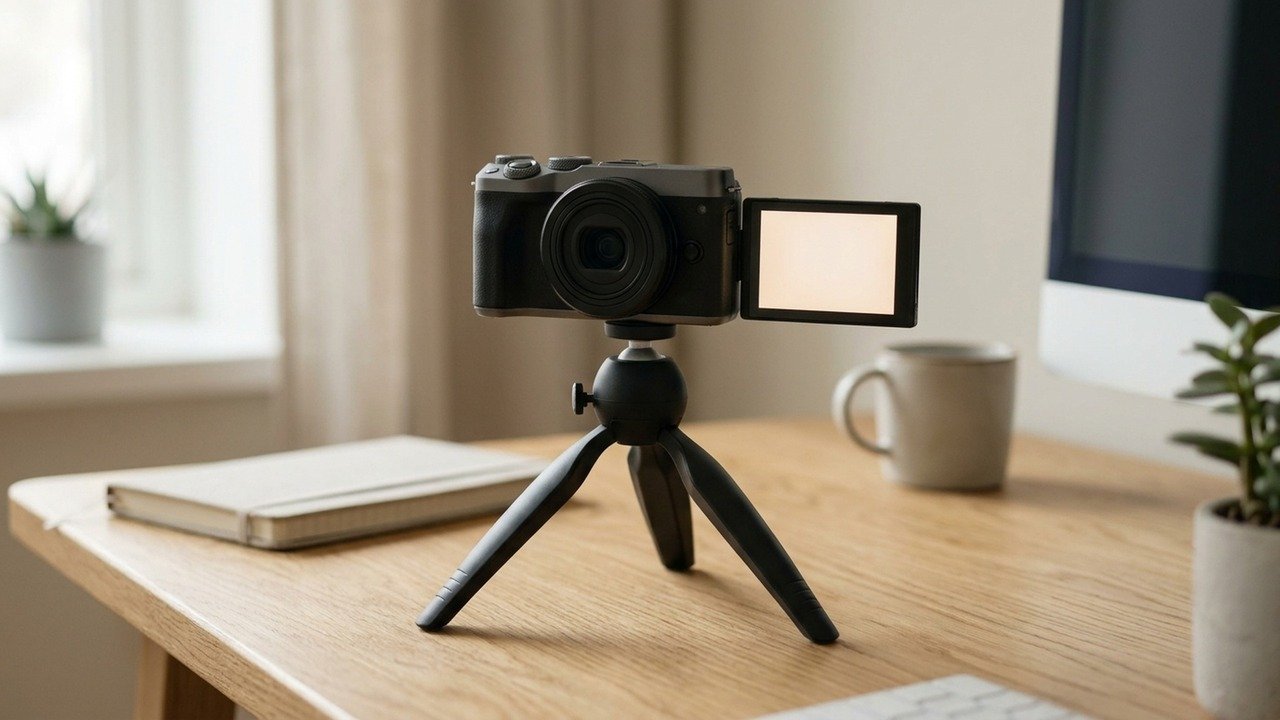
The Osmo Pocket 3 has a built-in three axis gimbal. Gimbal stabilization is mechanical, and it keeps the camera steady as you walk. Electronic stabilization crops the image to smooth it.
Audio
Check for a microphone input, wireless compatibility and wind noise reduction. DJI lists three microphones on the Pocket 3 and compatibility with the DJI Mic 2 and Mic Mini. For voice quality, see do you need a wireless microphone.
Screen
A rotating screen helps with framing. DJI lists a 2.0-inch touchscreen of 556 by 314 pixels with 700 nits of brightness that can rotate. Size and brightness vary between cameras.
Battery
Quoted battery life is in ideal conditions. DJI lists 166 minutes from a 1300 mAh battery in its test. Real life is shorter at 4K, and cold weather cuts it more.
Colour and bit depth
DJI's product page mentions 10 bit D-Log M and HLG, which are flatter profiles that keep more detail for color grading. They help if you grade footage, and they add editing work if you do not. The specifications page we read does not list color profiles, so confirm on the product page.
Creator combo
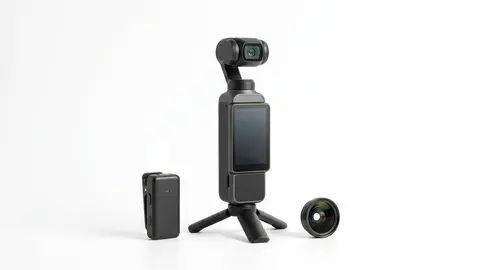
A combo adds accessories to the base camera. DJI's pages we read do not list the exact contents of the Creator Combo, so read what is in the box before you pay extra.
Put it together
Read how to choose a vlogging camera.
DJI Osmo Pocket 3 Creator Combo
A 1-inch CMOS vlogging camera with 4K/120fps and a three axis gimbal, in a creator combo.
Specs that matter less than they look
Megapixels, top frame rate and headline resolution all look impressive on a listing, but they rarely decide whether a vlog is watchable. Stabilization, audio and autofocus matter more. A high frame rate is useful only if you will slow footage down, and high resolution takes more storage and processing. Check the conditions behind each figure, such as the maximum bitrate or the card DJI recommends, because they affect which memory card you need.
Storage
DJI lists no built-in storage on the Pocket 3 and recommends UHS-I or UHS-II microSD cards up to 1 TB in exFAT. At a stated maximum bitrate of 130 Mbps, an hour of recording takes roughly 58 GB, so plan capacity accordingly. Our microSD guide explains the speed marks.
What to compare
When you compare two vlogging cameras, line them up on sensor size, stabilization, screen, audio options, battery and weight. Ignore the ones that do not change how you will film. If two models are close, pick the one with the better audio options, since sound is harder to fix later.
Lens and field of view
DJI lists a 20 mm equivalent lens on the Pocket 3, which is a wide field of view. Wide lenses suit self shooting at arm's length, since they fit your face and the background in the frame. They also exaggerate perspective at close range, so keep the camera slightly back from your face. A wider view also makes stabilization easier, because shake is less visible at wide angles.
Focus
DJI lists a focus range from 0.2 m to infinity, so close subjects such as a product held to the lens will focus. Check how the camera chooses what to focus on, since face tracking is usually what a vlogger wants. A camera that hunts for focus when you step into the frame is annoying in practice, and a spec sheet rarely tells you how well it behaves.
Screen and storage in practice
A rotatable screen lets you check framing while you film yourself. A card must meet the camera's speed needs, so check DJI's recommended UHS-I or UHS-II microSD card up to 1 TB in exFAT. If you plan long recordings, buy a larger card and carry a spare. Heat can also stop a recording in a small camera, so keep it out of direct sun when you can.
How to read a listing
Start from your own filming, then look at the numbers that bear on it: sensor, stabilization, audio, screen, battery and storage. Treat figures as best case. Compare the conditions the maker states, such as the recording mode behind a battery figure. And ask what you will have to buy in addition. A camera that needs a card, a microphone and a case is a package, not a single price.
Be careful with
Paying for frame rates you will never use.
The practical answer
Sensor size, stabilization and audio matter most. Frame rate is a bonus.
Questions people ask
What does 1 inch CMOS mean?
A sensor size class. It is larger than most phone sensors and smaller than full frame.
What does 4K/120fps mean?
4K resolution at up to 120 frames per second, used for slow motion.
What is a creator combo?
A bundle with extra accessories.
Do I need all the frame rates?
No. Most videos use 24, 30 or 60.
Sources and scope
Reference material is linked for the scope described below. This is not a claim that every statement or current retailer offer has been independently verified.
- DJI Osmo Pocket 3 specifications (DJI): manufacturer specifications
- DJI Osmo Pocket 3 (DJI): manufacturer product page
No hands-on testing or systematic reliability study was performed. Confirm current instructions, seller, model and box contents before ordering.